Imagine a snowy morning in Aridea, where the icy air smells
of smoke from fireplaces (unfortunately, this still happens today, and the
smoke is much worse), the fog is thick, and on the dirt roads, people, a few
bicycles, and carts are moving around. Mulberry trees line the edges of the
roads.
This is how Aridea's market was: small and extending along
Kapetan Garefi and Kypros streets. The bell of Agios Georgios church rang
throughout the town (a village back then) and called the residents to church. Elderly residents of Aridea helped with this journey into
the past, who agreed to take this trip down memory lane. Initially, they said
they remember few things. However, from the depths of memory, they brought up
more and more details, while smiles lit up their faces and their eyes filled
with emotion. Most residents of Aridea back then were farmers, workers,
and livestock breeders. These days, they did everything they could to rest, go
to church, and spend time beautifully with their families. They wanted to
forget the wars (World War II, the Civil War, and the famine that followed) and
eagerly awaited the holidays.Families were self-sufficient, and the few things they
needed, they got from the grocery stores (Melkou, Chatzigiannaki, etc.). Today,
in 2025-2026, these memories remind us that we need to appreciate peace
differently and prepare better for a sustainable future.
Christmas Preparations
As Christmas approached, the lives of Aridea's families
filled with intense work, joy, and anticipation. By late November, people had
already completed the basic agricultural tasks of the season: harvesting
potatoes and beans, grinding wheat and corn, smoking and chopping red
peppers...
The housewives had prepared trahana and kores (a type of
handmade pasta), had canned or dried whatever fruits they had in summer, made
jams, and at the same time, they had taken care to collect enough wood to keep
their fireplaces lit during the cold winter months. Women started organizing
the household, cleaning, and gathering materials and utensils for Christmas
foods and sweets from very early on. At the same time, they sewed and wove
clothes for the family, as everything back then was handmade.
The Festive Table
The Christmas table was full of traditional flavors. Main
dishes included pork with leeks, sausages, roasted chicken, and pies, while
sweets completed the meal with flavors like baklava with homemade phyllo,
sarli, halva with flour, and kourabiedes (made with pork butter). From early October, the chimneys of the fireplaces smoked
incessantly in the Almopia plain, signaling the start of the harsh winter (it
was much colder back then, according to testimonies). In the evenings, families
exhausted from work gathered around the fire, where the elders told stories
about kallikantzaroi, fairies, and wild animals from the black forest, filling
the children with awe and enriching their imagination.
Most families had taken care to raise a piglet, destined for
the festive table. In December, with care and attention, parents prepared the
meat: they boiled the fat in large cauldrons in the yard, making butter,
tsigarides, and traditional sausages with leeks, which were characteristic of
the area. This butter was used for making kourabiedes and for various foods
throughout the year.
Children from the whole neighborhood gathered around the
cauldron, and the housewife, along with a slice of leavened bread, treated them
all to tsigarides.
The Children
In those days, children collected wood for the fireplace,
made crafts, and decorated the Christmas tree. This was usually a small fir or
pine that the men found in the forest and brought home. They decorated it with
natural materials they found in nature, like pinecones, walnuts, and acorns,
which they adorned with beautiful fabrics, cotton, and threads, creating unique
ornaments. Of course, paper ornaments that they made with their own hands were
not missing.
Life in "We" and Not "I"
These preparations were not just a practical process, but
also an opportunity to strengthen family unity. Every small task, from
collecting wood to decorating the tree, was work for everyone and a chance to
create memories that remained indelible over time. People who had a little more
helped with material goods those who lacked, and they in turn helped with
manual work or as they could.
Kolinda Babo A custom that continues to this day.
In the last days before Christmas, children and adults
gathered wood in various neighborhood squares of Aridea, as well as in the
surrounding villages of the province. On the night of December 23, no matter
the weather, they lit the fires, and there was even competition between
neighborhoods for who lit the biggest fire. Then, the children with their tourbadakia* tied crosswise,
shouted "Kolinda Babo" (meaning "they are slaughtering
grandma") around the fire and started all night for their relatives'
houses.The housewives opened the door to the children, invited them
to sit, and put walnuts, hazelnuts, dried figs, tangerines, xylokera, or
candies in their baskets, and very rarely a coin. They shouted once more inside the house "Kolinda
Babo" and started for the next one. Some residents claim that the custom
dates back to ancient times and Herod. When dawn broke, they finished and went
home to sleep.This custom continues to this day with various neighborhoods
and associations lighting their own fires.
*Tourbadakia: they were small woven bags, like small purses
that mothers wove for them for the carols.
Christmas
The bells rang joyfully, at five in the morning, calling the
faithful to the small church of Agios Georgios for the service of the greatest
holiday of Christianity! They put on their good, handmade clothes (woven) and
started walking hurriedly on the dirt road that after a slight turn full of
mulberry trees on one side of the road led to the small church. From the tiled
roofs hung icicles that from afar looked like swords, and the wind whistled
passing through the branches of the trees. Most trees in Aridea back then were
mulberry trees due to the breeding of silkworms. The elders bent to pass
through the low door, entered, and met the eyes of their fellow villagers,
behind the silver smoke from the incense, which conveyed warmth and love to them,
listened to Father Georgios chant the joyful sequence, smelled the incense, and
then all together magically experienced the birth of the God-man. At the end of
the service, they wished each other "Many Years," "Happy
Christmas," and returned to their homes. There, the whole family ate the
Christmas breakfast that included tsigarides (or tzoumerkes), roasted pork,
sausages with leeks, and leavened bread. The housewife then syruped the baklava
and prepared the pork with leeks for the Christmas meal."I remember, as if it were now, the elders bending to
pass through the low door of the church, we children entering and feeling
warmth and love in the cold, all one family." Testimony from an Aridea
resident.
We thank you very much for the valuable journey: Mrs. Agapi,
Mrs. Chrysoula, Mrs. Maria, Mrs. Katina, Mrs. Eleni, Mrs. Iordana, Mrs.
Katerina, and Mrs. Evtychía.
Katerina Samanti


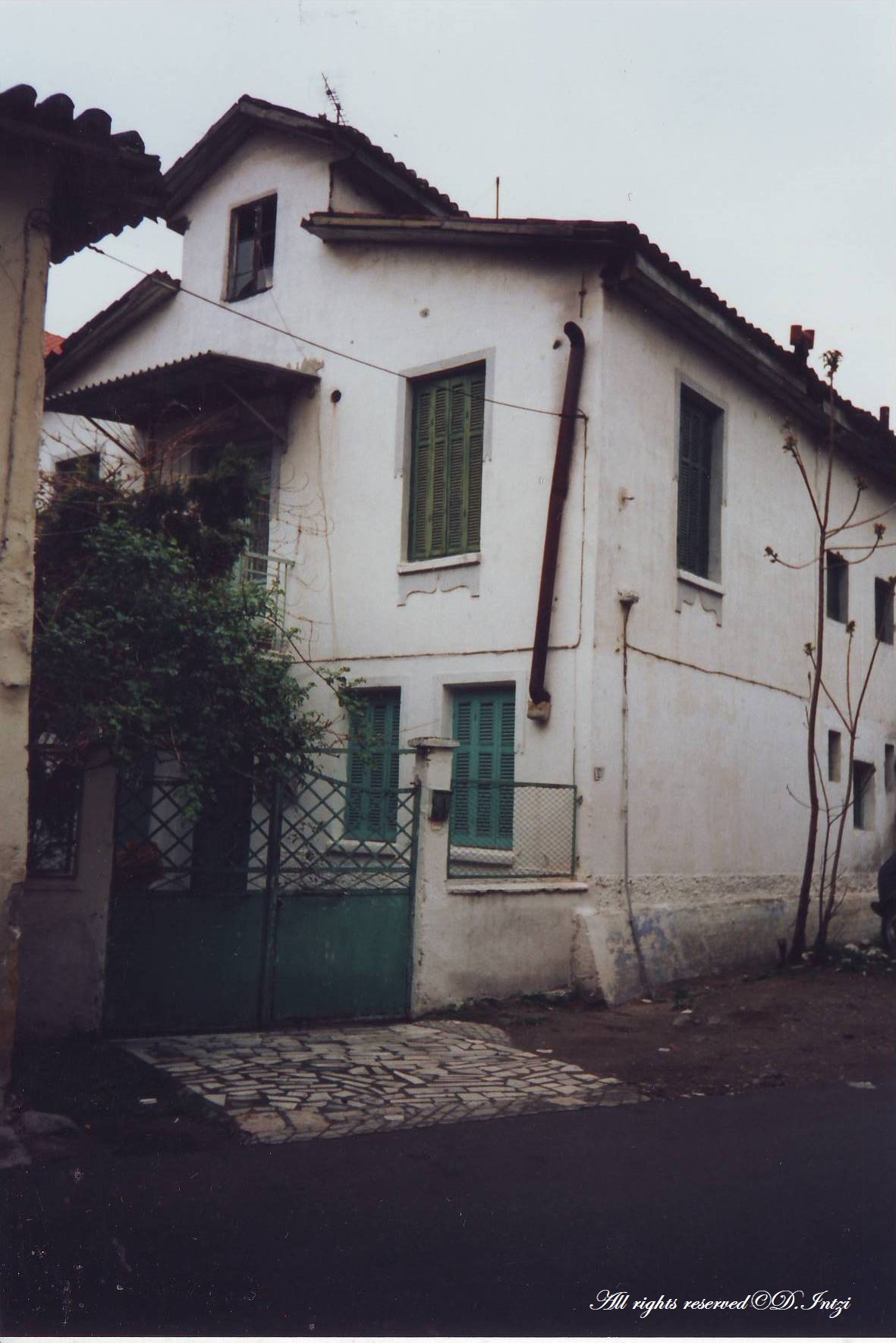
.jpg) (Ολυμπιάδος και Λοχαγού Πασσιά απέναντι από την Πλατεία Σέτσκου)
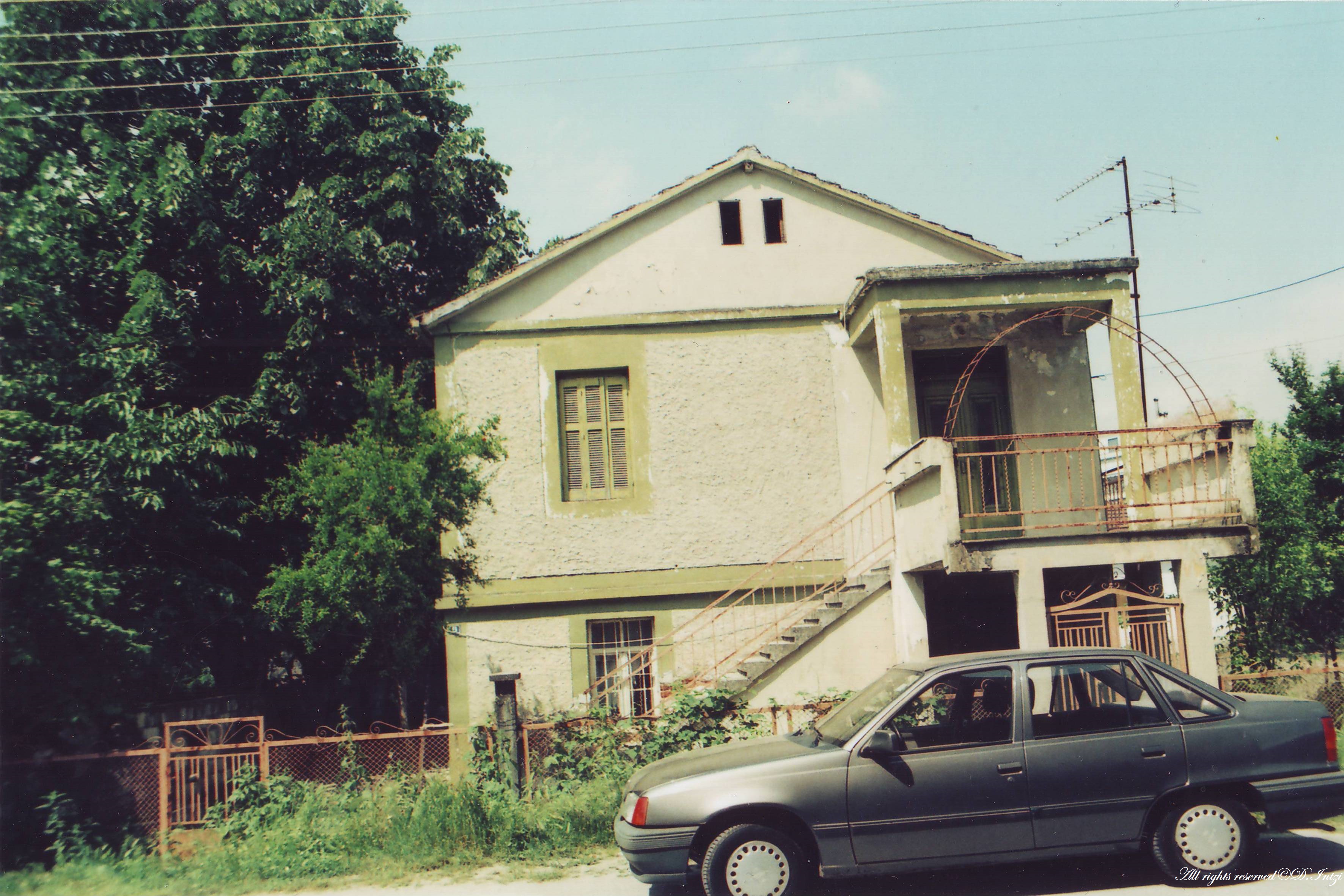
(Ολυμπιάδος και Λοχαγού Πασσιά απέναντι από την Πλατεία Σέτσκου) (Μεγάλου Αλεξάνδρου με Πολυτεχνείου)
 .jpg)






.jpg)
